
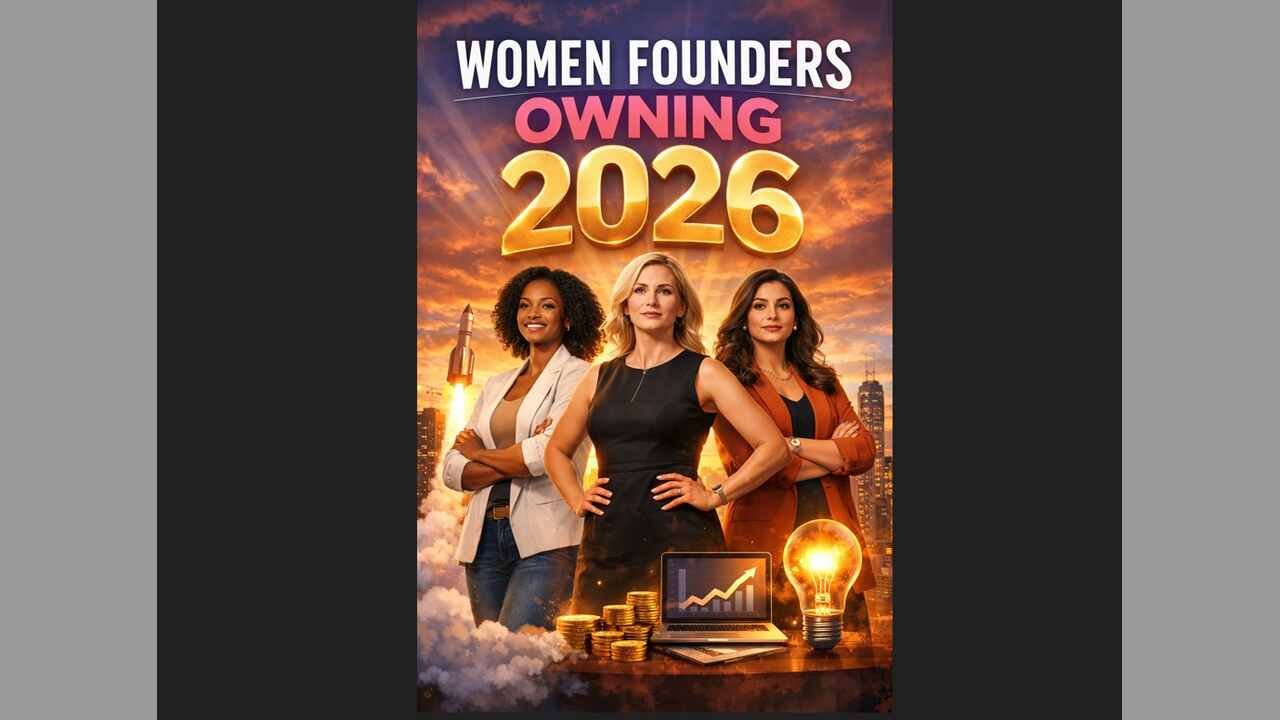
A strong force is reshaping India’s entrepreneurial scene in 2026: female entrepreneurs who are creating companies with a sense of purpose, community, and cultural relevance. These leaders are now influencing popular discussions about wellness, skincare, and beauty rather than being restricted to specialized fields. From vanity metrics to value systems, from trends to trust, and from ideas to quantifiable impact, their travels mirror a broader transition in the industry.
Women-led brands are defining the market, not merely participating in it, across all industries.
Redefining Beauty on Their Own Terms

Ananya Kapur founded Type Beauty, which is leading this change. Ananya is rewriting the story of modern beauty by emphasizing individuality and inclusivity in a field that has historically been dominated by idealized ideals.
“Type Beauty is founded on the idea that beauty should empower rather than conform,” Ananya shares through her brand’s philosophy. Built around skin-first innovation, the brand focuses on products designed for diverse skin tones, types, and everyday needs. Her deep understanding of evolving consumer expectations — particularly among digitally aware Gen Z and millennial buyers — has positioned the brand as a progressive voice in the cosmetics sector.
In 2026, Type Beauty reaffirms its purpose to produce conscious, self-assured beauty that respects individuality in all its manifestations while pushing limits in response to customer demands for transparency and authenticity.
The Rise of Barrier-First Skincare
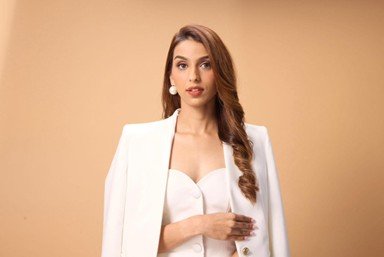
Skin health is another tenet of the new beauty market, if inclusivity is one. Harshita Rai Khetan launched The Skin Diet Company to meet the growing demand for nourishment-based, barrier-focused skincare.
Harshita launched the brand with a clear objective: to reimagine barrier care through the power of superfoods. “What you put on your skin should be as thoughtful as what you put in your body,” is a belief that anchors the company’s philosophy.
By combining nutrient-rich, superfood-inspired ingredients with barrier-supporting formulations, she has carved a distinct space in a sector often dominated by fleeting trends. Each product is designed not merely to enhance the skin’s appearance, but to strengthen and protect its natural barrier while delivering high performance.
In 2026, as consumers grow more ingredient-literate and wellness-driven, Harshita’s approach, beauty that is expressive, protective, and seamlessly integrated into daily life, continues to resonate. Barrier beauty is no longer a subcategory; it is becoming the new standard.
Colour, Culture and Commercial Acumen

In the fast-paced world of digital beauty, few brands have captured youthful energy as effectively as DIAM Beauty. Founded by Jhalak Shah and led operationally by CEO Kavya Hirpara, the brand represents a new-age leadership partnership where creativity meets strategy.
Designed for the expressive, modern consumer, DIAM Beauty focuses on impact-driven, high-performance products that remain accessible and skin-conscious. Jhalak’s sharp understanding of digital culture and emerging beauty trends has shaped the brand’s vibrant and forward-thinking identity.
Alongside her, Kavya ensures that innovation is backed by operational strength and business discipline. Together, they demonstrate that homegrown beauty brands can compete and lead in a fiercely competitive global landscape.
In 2026, DIAM Beauty stands as proof that colour, confidence, and credibility can coexist in a single brand narrative.
A Defining Moment for Women-Led Businesses
The success of these founders is not incidental; it reflects structural change. Access to digital platforms, evolving consumer values, and a growing appetite for authenticity have created fertile ground for women entrepreneurs to thrive.
More importantly, these leaders are building brands that feel personal yet scalable, community-driven yet commercially sound. They are not chasing virality; they are building longevity.
From barrier-first skincare to inclusive cosmetics and intentional fitness movements, women founders in 2026 are demonstrating that impact is not just about revenue; it is about rewriting norms, shaping culture, and building ecosystems where empowerment is embedded in the product itself.
The idea stage is long past. In 2026, women founders aren’t just launching brands; they are owning the narrative, the numbers, and the future.




Discussion about this post